

When we think about the energy transition, we often overlook a fundamental element: the regulatory function. However, it is essential that we recognize that without institutions led by professionals with the appropriate skills for their role, and without a robust and adaptable regulatory framework, the energy transition in our countries could face significant obstacles that would jeopardize its success and development.
Regulatory institutions must collaborate closely with industry and society as a whole to ensure that the policies and regulations they promote encourage a sustainable investment climate, foster innovation, and guarantee compliance with countries’ energy policy objectives.
In this context, the regulatory function stands as a cornerstone of this profound transformation process we are undergoing as an industry and as a society. Regulatory institutions have the responsibility to ensure a smooth and successful energy transition, and they must be empowered and revitalized to meet the new demands of the rapidly changing energy landscape ahead.
Regulatory institutions must not only keep pace with technological innovation and new business models, but also ensure that the regulatory environment remains fair, efficient, and safe for businesses, investors, and consumers.
Objectives of the Regulatory Function
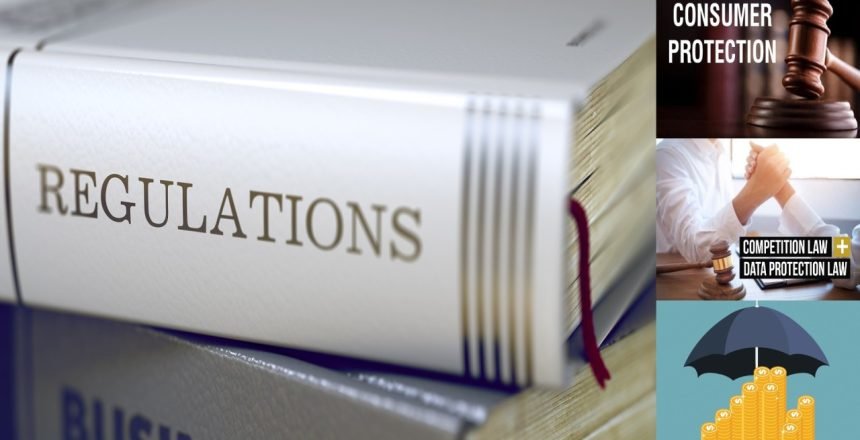
The regulatory function is essential to ensure the fair, efficient, and safe operation of markets and industries, playing a vital role in protecting ALL stakeholders , which commonly include consumers, businesses, and investors.
For this function to be performed effectively, the regulator must be able to balance the interests of different groups in the decision-making process. This is perhaps one of the regulator’s most challenging tasks, as the interests of these diverse groups may not always align.
Traditionally, the specific objectives of the regulatory function have been:
- Consumer protection: This involves ensuring that consumers have access to a wide range of options, establishing specific economic regulations for certain groups with subsidized funds or rates, ensuring that the service is provided with adequate quality, and protecting them from fraud and abuse.
- Business protection: This involves ensuring that businesses have a fair opportunity to compete, and that they operate in a predictable environment without unnecessary interference in their investment and operating decisions.
- Investor (shareholder) protection: This involves ensuring that investors receive a reasonable return on their investment, and that they are protected from arbitrary or unforeseen changes in regulation.
In addition to those mentioned above, the regulatory function may have other specific objectives, depending on the sector or industry it regulates. For example:
- Protection of competition: This can be done by prohibiting anti-competitive practices, promoting the entry of new competitors, or regulating prices.
- Environmental protection: This can be done by regulating polluting emissions, the use of natural resources, or waste management.
- Protecting health and safety in the provision of services: This can be done by regulating products and services, controlling working conditions, or regulating public services.
New Skills Required of Regulators
It is undeniable that regulators play a crucial role in the energy transition. To fulfill their role effectively, they must be equipped with the necessary skills to make timely and informed decisions.
The changes driven by the energy transition are demanding that regulatory institutions add new essential skills to their repertoire. To perform their work effectively, regulators must possess the following skills:
- Deep Technical Industry Knowledge: The energy transition is driven by the development of new technologies, such as renewable energy, electrification, and digitalization. Regulators must have a deep understanding of these technologies and be able to keep pace with innovation and technological trends to grasp their regulatory implications.
In the specific field of the energy industry, when we talk about technological trends, we refer to a variety of elements, including non-conventional renewable energies, electrical energy storage, automated networks (smart grids), smart meters, heat pumps, electric vehicles, artificial intelligence algorithms, green hydrogen, biofuels and natural gas, to mention a few prominent examples.
- Understanding Economic Principles, Including Financial and Accounting Aspects: The energy transition has a significant impact on the economy, both nationally and internationally. Regulators must have a thorough understanding of economic principles to assess the impacts of the energy transition and make decisions that are efficient and beneficial for all.
- Knowledge of the Legal Basis. The energy transition requires a clear and coherent regulatory framework. Regulators must have a thorough understanding of the legal foundations necessary to develop and implement an effective regulatory framework.
- Conflict Management: In an environment where the interests of the parties may be in conflict, regulators must have strong skills in conflict management and dispute resolution to achieve equitable solutions.
- Effective Communication: Regulators must be able to communicate effectively with all stakeholders. The ability to explain regulatory decisions clearly and persuasively is essential.
- Strategic Thinking: Regulators must be able to develop and implement long-term strategies to address the constantly evolving challenges of the energy industry. This includes the ability to anticipate trends and adapt regulations to keep pace with technological and economic developments.
- International Cooperation: Given the global nature of the energy industry, regulators can benefit from the ability to collaborate and cooperate with regulators in other countries to address shared challenges.
Empowerment and Revitalization of the Regulatory Function
There are several measures that can be implemented to strengthen and revitalize the regulatory function in the context of the energy transition. These measures include:
- Resource Allocation: It is essential to ensure that regulators have the necessary resources and expertise to perform their work properly, including the allocation of funds, competent staff, and adequate training.
- Independence and Autonomy: It is equally important to ensure that regulators enjoy independence and autonomy in decision-making, thus avoiding political interference.
- Stimulating Continuous Innovation: The energy transition is closely linked to technological innovation and the adoption of sustainable solutions. Therefore, regulators must promote an environment conducive to innovation, removing barriers to technological development and maintaining the flexibility to adjust regulations as technological advances emerge. Furthermore, they can establish incentives that encourage investment in clean and efficient technologies.
- Agility in processes and decision-making: In this rapidly evolving environment, it is essential that regulators be agile in their decision-making and establish streamlined processes for regulatory monitoring and permitting in general. Adopting digital tools can significantly facilitate this process by providing real-time information on applications, compliance tracking, and data analysis for informed and timely decision-making. Furthermore, a shift in mindset is necessary to adapt to this more dynamic and responsive approach, where flexibility and responsiveness become key elements for maintaining effectiveness.
- Impact Assessment: Regulators must conduct rigorous impact assessments before implementing new regulations. This involves analyzing how regulatory measures will affect consumers, businesses, the environment, and the overall economy. These assessments help avoid hasty decisions and design effective regulations.
- Transparency and Accountability: This will help ensure that regulators are accountable for their actions and that their decisions are fair and equitable.
In summary
As we move towards a more sustainable and cleaner future, we must remember that regulatory institutions play a vital role in ensuring the success of this energy transition. It is essential that the regulatory function be empowered and revitalized to address the challenges and opportunities presented by the energy transition.
Regulators must possess a diverse skill set, ranging from technical expertise to soft skills such as conflict management and effective communication. Furthermore, it is essential that they operate independently and transparently, fostering innovation and carefully assessing the impact of their decisions.
Ultimately, we must advocate for a continued strengthening of the regulatory function, recognizing its critical role in creating a more sustainable and prosperous future for our society and our planet. The energy transition is a global challenge, and to succeed, we must work together to ensure our regulatory institutions are up to the task.