


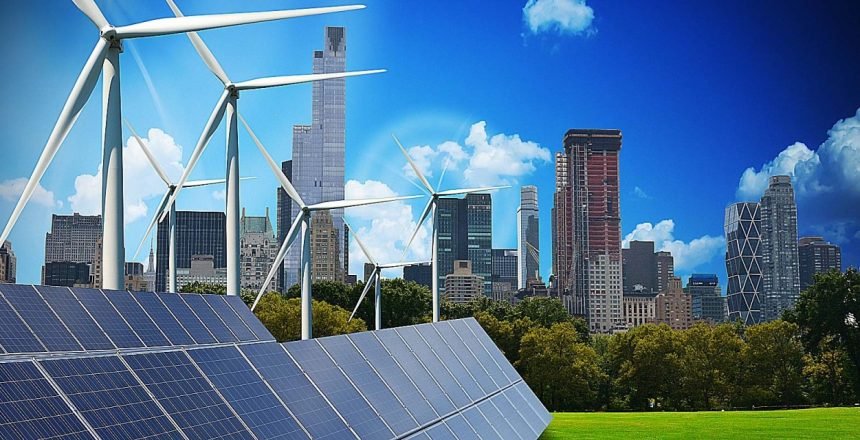
Today, environmental, social, and governmental factors point toward a cleaner, more sustainable, just, and inclusive future society for all. For the first time in history, there is a global consensus, reflected in the commitments adopted by more than 200 countries at the last COP26 climate conference in Glasgow, Scotland, that climate change and air pollution are a reality. To keep global warming below 1.5°C, in accordance with the commitments of the Paris Agreement, global emissions must be reduced by around 45% by 2030 and reach net-zero emissions by 2060. Likewise, the commitments outlined in the UN’s 2030 Agenda and its Sustainable Development Goals require that the energy transition in developing countries be affordable, sustainable, resilient, modern, just, and inclusive for all, maintaining a focus on fundamental objectives such as improving universal access to energy, its conservation, and efficiency.
To achieve these goals, it will be necessary to transform all productive sectors of our society. A key piece of this puzzle will be the electrification of the economy as a whole. On this path toward decarbonizing our economies, energy use in all sectors that currently rely on polluting fuels is being replaced by cleaner alternatives such as natural gas, or is migrating to electricity as the final use of other renewable fuels is developed.
It is clear that to meet future electricity demand growth without harming the environment, we will need clean energy production methods and a smarter, more flexible, adaptive, and efficient electricity industry. This will encourage the use of electricity in transportation, homes, buildings, and industry in general, thereby positively impacting the global energy system.
The energy model shift being adopted by industry and major electricity companies worldwide is guided by four fundamental pillars: Decarbonization , Decentralization , Democratization, and Digitalization , also known as the 4Ds of the transition. The shift towards the use of electricity and renewable fuels such as hydrogen, ammonia, and ethanol, coupled with the increasing share of renewable energy in our energy mix, is leading us towards decarbonization . The decentralization of smaller-scale energy sources that leverage distributed energy resources near consumption centers and are integrated with digital capabilities , energy storage, and grid vehicles that provide flexibility, will enable the evolution of the electricity industry towards a smart, interconnected, and adaptive ecosystem. This will allow for the bidirectional flow of energy in the grid and enable a democratization of the service, empowering consumers and giving them a more active role.
1. Today, there are multiple digital and technological tools available that are helping industries transform the data (the gold of the digital age) available in the ecosystem into unprecedented improvements in operational efficiency, process optimizations, decision-making, and the consumer experience.
This global energy transition movement finds Panama very well positioned. The country, one of the three carbon-negative nations in the world, boasts a renewable energy contribution of around 80% to its electricity generation mix and a liquefied natural gas regasification terminal and combined cycle natural gas power plants, enabling the country to embark on a path of responsible energy transition. Natural gas is providing the electricity industry with the firm capacity and flexibility needed to increase the sector’s resilience while allowing for the growing integration of renewable energy and new technologies into the interconnected ecosystem. It is also providing the country and the region with a transition fuel for their industries and other economic sectors.
2. Natural gas is allowing the country to reduce its carbon footprint by more than 2.2 billion tons annually and save more than $150 million annually in costs, compared to generation based on petroleum derivatives.
Notwithstanding the above, Panama faces the significant challenge of driving the transformation of its electricity industry in the near future, through: (1) continuing to improve its digital readiness (from modernizing its infrastructure to accelerating the qualification of human capital); (2) adopting new incentive schemes that promote capital and investment in R&D and technological innovation; and (3) adopting new regulatory models that facilitate the integration of technology and innovative solutions.
As a country, we face a significant challenge. While Panama stands out in the region for its digital readiness, it faces major challenges in adapting quickly to the new economic landscape. One of the keys to success will be accelerating the cultural transformation necessary to embrace new technologies in industry and digitalization, thereby boosting business and national competitiveness.
This article was originally published in AmCham Panama News on May 16, 2022.